The Indian real estate sector is evolving rapidly in 2026, moving from post-pandemic momentum to a more mature, structured, and buyer-centric phase. Driven by economic growth, urbanization, infrastructure development, and shifting consumer preferences, several new and emerging topics are shaping the market. Here's a comprehensive look at the key trends defining real estate in India this year.
1. Premiumization and Luxury Housing Dominance
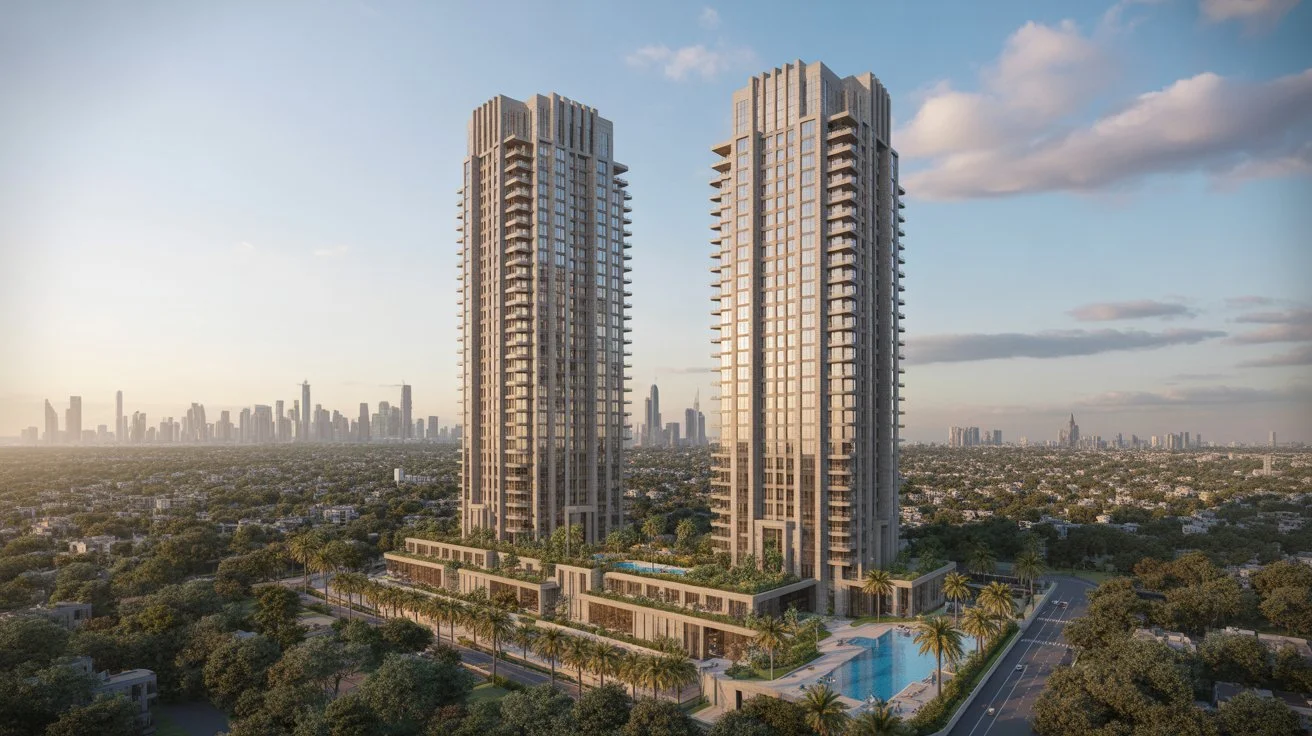
The shift toward premium and luxury properties has become a structural rather than temporary trend. In recent years, higher-priced homes (especially above INR 1-2 crore) have captured a growing share of sales value, even as overall volumes moderate. Buyers, including affluent end-users and NRIs, prioritize lifestyle upgrades, better amenities, and quality over affordability in lower segments.
This premium focus is evident in major cities like Mumbai, Bengaluru, Delhi-NCR, and Hyderabad, where developers launch high-end projects with features like smart tech integration and exclusive communities. As a result, weighted average residential prices continue a gradual upward trajectory in 2026.
2. Rise of Integrated Townships and Mixed-Use Developments
Large-scale integrated townships are emerging as a preferred model, combining residential, commercial, retail, leisure, and workspaces in one ecosystem. These self-contained communities appeal to buyers seeking convenience, security, and community living—especially in the post-work-from-home era.
Developers are acquiring big land parcels for such projects, particularly in peri-urban areas and Tier-II cities. This trend supports balanced urban growth and reduces commuting stress, making it a defining feature of 2026's residential landscape.
3. Plotted Developments and Land Investments Gaining Momentum
Plotted developments (ready-to-build residential plots in gated communities) are one of the fastest-growing segments. Investors and buyers favor them for flexibility, lower maintenance, customization potential, and strong long-term appreciation.
This trend is particularly strong in emerging corridors and Tier-II/III cities, where low-density living and independent housing attract modern families. Plotted projects offer an alternative to high-rise apartments, with demand fueled by affordability compared to built-up premium homes.
4. Sustainability, Green Buildings, and Smart Homes
Sustainability is no longer optional—it's becoming a standard expectation. Green-certified projects (IGBC/LEED), energy-efficient designs, water conservation, and eco-friendly materials are prioritized. Tech integration, including smart home automation, IoT devices, and AI-driven management, is redefining "future-ready" properties.
Buyers increasingly seek homes that align with environmental responsibility and lower operational costs, influencing both residential and commercial developments.
5. Robust Commercial and Office Sector Momentum
Despite some residential moderation, the office market remains strong. Net absorption is projected at around 55-75 million sq ft in 2026, driven by Global Capability Centres (GCCs), IT/ITES expansion, and manufacturing growth.
Flexible workspaces, Grade-A buildings, and experience-led retail (with new mall supply) are key. Institutional investments continue flowing into commercial assets, supporting steady rental growth in prime micro-markets.
6. Regulatory Strengthening and Enhanced Buyer Protection
Updates often referred to as "RERA 2.0" (strengthening the existing framework) emphasize stricter enforcement against project delays, higher penalties for developers, improved escrow mechanisms, faster dispute resolution, and better transparency. These changes build greater trust, reduce risks for homebuyers, and promote timely delivery.
Combined with government infrastructure pushes and policies favoring urban development, the sector feels more stable and optimistic in 2026.
7. Emerging Opportunities in Tier-II/III Cities and Diversification
Growth is diversifying beyond metros, with Tier-II/III cities benefiting from improved connectivity, infrastructure, and rising consumption. Spiritual destinations, logistics hubs, and data centers are also attracting attention as niche investment areas.
Overall, India's real estate in 2026 is characterized by disciplined growth, end-user dominance, institutional participation, and a focus on quality, sustainability, and lifestyle. While residential volumes may see measured increases (with premium segments leading), the sector's long-term outlook remains positive, supported by strong fundamentals and investor confidence.
As the market matures, buyers and investors who prioritize execution capability, transparency, and future-oriented features will find the most rewarding opportunities in this dynamic landscape.
1. Premiumization and Luxury Housing Dominance
The shift toward premium and luxury properties has become a structural rather than temporary trend. In recent years, higher-priced homes (especially above INR 1-2 crore) have captured a growing share of sales value, even as overall volumes moderate. Buyers, including affluent end-users and NRIs, prioritize lifestyle upgrades, better amenities, and quality over affordability in lower segments.
This premium focus is evident in major cities like Mumbai, Bengaluru, Delhi-NCR, and Hyderabad, where developers launch high-end projects with features like smart tech integration and exclusive communities. As a result, weighted average residential prices continue a gradual upward trajectory in 2026.
2. Rise of Integrated Townships and Mixed-Use Developments
Large-scale integrated townships are emerging as a preferred model, combining residential, commercial, retail, leisure, and workspaces in one ecosystem. These self-contained communities appeal to buyers seeking convenience, security, and community living—especially in the post-work-from-home era.
Developers are acquiring big land parcels for such projects, particularly in peri-urban areas and Tier-II cities. This trend supports balanced urban growth and reduces commuting stress, making it a defining feature of 2026's residential landscape.
3. Plotted Developments and Land Investments Gaining Momentum
Plotted developments (ready-to-build residential plots in gated communities) are one of the fastest-growing segments. Investors and buyers favor them for flexibility, lower maintenance, customization potential, and strong long-term appreciation.
This trend is particularly strong in emerging corridors and Tier-II/III cities, where low-density living and independent housing attract modern families. Plotted projects offer an alternative to high-rise apartments, with demand fueled by affordability compared to built-up premium homes.
4. Sustainability, Green Buildings, and Smart Homes
Sustainability is no longer optional—it's becoming a standard expectation. Green-certified projects (IGBC/LEED), energy-efficient designs, water conservation, and eco-friendly materials are prioritized. Tech integration, including smart home automation, IoT devices, and AI-driven management, is redefining "future-ready" properties.
Buyers increasingly seek homes that align with environmental responsibility and lower operational costs, influencing both residential and commercial developments.
5. Robust Commercial and Office Sector Momentum
Despite some residential moderation, the office market remains strong. Net absorption is projected at around 55-75 million sq ft in 2026, driven by Global Capability Centres (GCCs), IT/ITES expansion, and manufacturing growth.
Flexible workspaces, Grade-A buildings, and experience-led retail (with new mall supply) are key. Institutional investments continue flowing into commercial assets, supporting steady rental growth in prime micro-markets.
6. Regulatory Strengthening and Enhanced Buyer Protection
Updates often referred to as "RERA 2.0" (strengthening the existing framework) emphasize stricter enforcement against project delays, higher penalties for developers, improved escrow mechanisms, faster dispute resolution, and better transparency. These changes build greater trust, reduce risks for homebuyers, and promote timely delivery.
Combined with government infrastructure pushes and policies favoring urban development, the sector feels more stable and optimistic in 2026.
7. Emerging Opportunities in Tier-II/III Cities and Diversification
Growth is diversifying beyond metros, with Tier-II/III cities benefiting from improved connectivity, infrastructure, and rising consumption. Spiritual destinations, logistics hubs, and data centers are also attracting attention as niche investment areas.
Overall, India's real estate in 2026 is characterized by disciplined growth, end-user dominance, institutional participation, and a focus on quality, sustainability, and lifestyle. While residential volumes may see measured increases (with premium segments leading), the sector's long-term outlook remains positive, supported by strong fundamentals and investor confidence.
As the market matures, buyers and investors who prioritize execution capability, transparency, and future-oriented features will find the most rewarding opportunities in this dynamic landscape.
.png)