Introduction
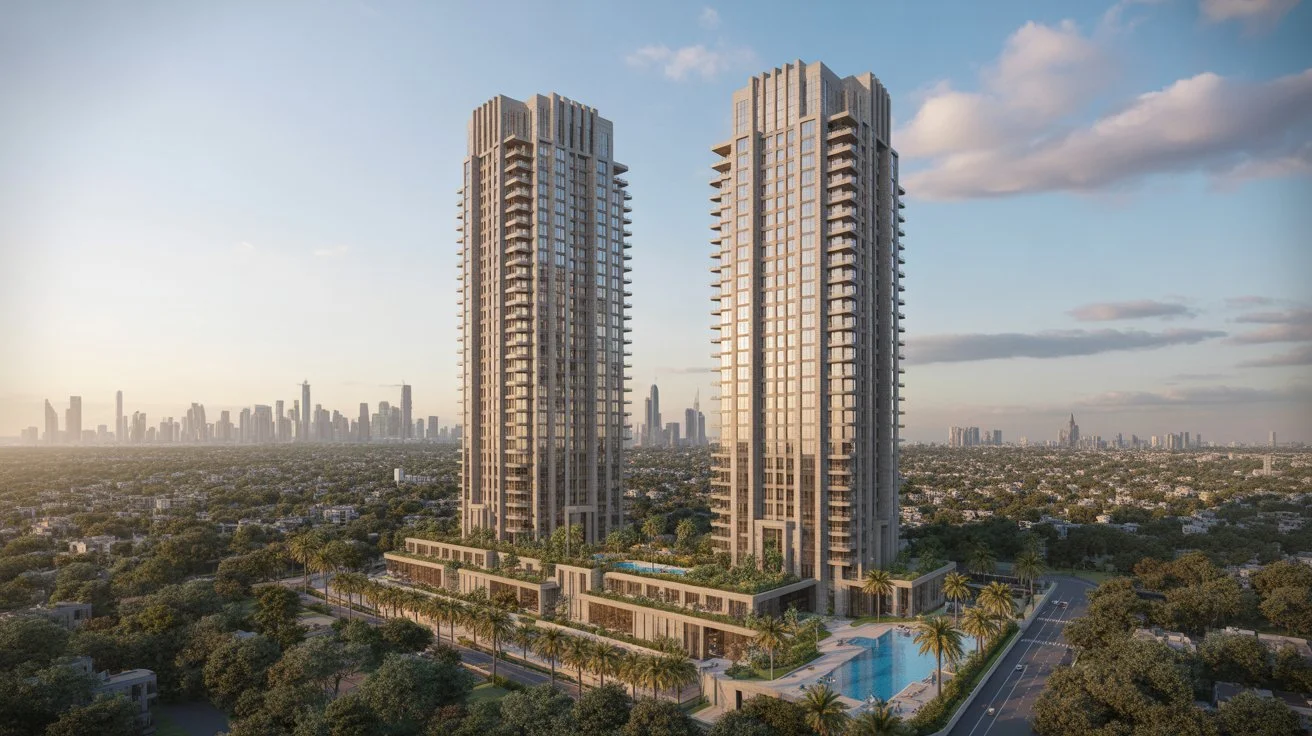
The commercial real estate (CRE) market is evolving faster than ever. With new technologies, shifting work habits, and global economic changes, investors and developers need to stay ahead of the curve. In this article, we explore the top trends shaping the CRE landscape in 2026 and beyond.
1. Rise of Flexible Workspaces
Remote and hybrid work models have transformed office demand. Companies are increasingly opting for flexible leases and shared spaces rather than traditional long-term offices. Developers are responding by designing adaptable workspaces that can easily switch between collaborative zones and private offices.
Key takeaway: Spaces that offer flexibility and adaptability will attract high occupancy rates.
2. Sustainability as a Standard
Green building practices are no longer optional—they’re a necessity. Energy-efficient designs, renewable energy integration, and sustainable materials are influencing investment decisions. Tenants and investors increasingly favor buildings with LEED certification or net-zero energy goals.
Key takeaway: Sustainability boosts property value and long-term profitability.
3. Technology-Driven Buildings
Smart buildings equipped with IoT sensors, automated climate control, and AI-powered analytics are becoming the norm. These technologies improve operational efficiency and enhance tenant experience. Data-driven insights allow property managers to optimize energy use and maintenance schedules.
Key takeaway: Technology adoption is a competitive advantage in CRE.
4. Shift in Retail Spaces
E-commerce continues to reshape retail. Brick-and-mortar stores are transitioning to experience-driven destinations, combining retail with entertainment, dining, and community spaces. This hybrid model keeps foot traffic high while supporting online sales.
Key takeaway: Multi-functional retail spaces outperform traditional stores.
5. Urban vs. Suburban Dynamics
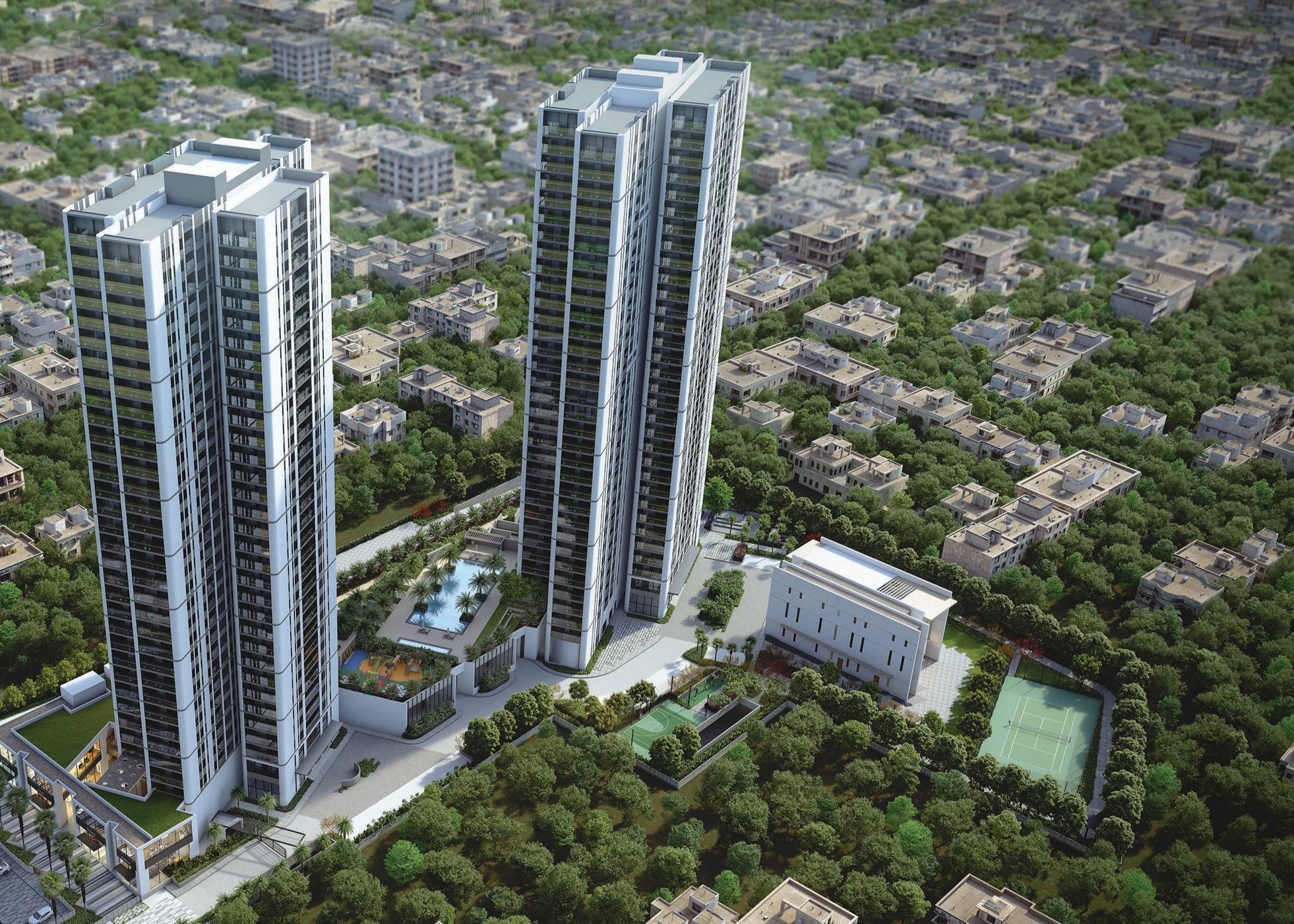
High urban rents and lifestyle changes are driving demand for suburban commercial properties, particularly mixed-use developments. Companies and investors are reevaluating location strategies to balance accessibility, cost, and employee preferences.
Key takeaway: Suburban CRE opportunities are on the rise, especially for logistics and mixed-use projects.
Conclusion
The commercial real estate market is at a crossroads. Success in 2026 will belong to those who embrace flexibility, sustainability, and technology while staying attuned to evolving tenant needs. By understanding these trends, investors, developers, and property managers can make smarter decisions and stay ahead of the competition.
The commercial real estate (CRE) market is evolving faster than ever. With new technologies, shifting work habits, and global economic changes, investors and developers need to stay ahead of the curve. In this article, we explore the top trends shaping the CRE landscape in 2026 and beyond.
1. Rise of Flexible Workspaces
Remote and hybrid work models have transformed office demand. Companies are increasingly opting for flexible leases and shared spaces rather than traditional long-term offices. Developers are responding by designing adaptable workspaces that can easily switch between collaborative zones and private offices.
Key takeaway: Spaces that offer flexibility and adaptability will attract high occupancy rates.
2. Sustainability as a Standard
Green building practices are no longer optional—they’re a necessity. Energy-efficient designs, renewable energy integration, and sustainable materials are influencing investment decisions. Tenants and investors increasingly favor buildings with LEED certification or net-zero energy goals.
Key takeaway: Sustainability boosts property value and long-term profitability.
3. Technology-Driven Buildings
Smart buildings equipped with IoT sensors, automated climate control, and AI-powered analytics are becoming the norm. These technologies improve operational efficiency and enhance tenant experience. Data-driven insights allow property managers to optimize energy use and maintenance schedules.
Key takeaway: Technology adoption is a competitive advantage in CRE.
4. Shift in Retail Spaces
E-commerce continues to reshape retail. Brick-and-mortar stores are transitioning to experience-driven destinations, combining retail with entertainment, dining, and community spaces. This hybrid model keeps foot traffic high while supporting online sales.
Key takeaway: Multi-functional retail spaces outperform traditional stores.
5. Urban vs. Suburban Dynamics
High urban rents and lifestyle changes are driving demand for suburban commercial properties, particularly mixed-use developments. Companies and investors are reevaluating location strategies to balance accessibility, cost, and employee preferences.
Key takeaway: Suburban CRE opportunities are on the rise, especially for logistics and mixed-use projects.
Conclusion
The commercial real estate market is at a crossroads. Success in 2026 will belong to those who embrace flexibility, sustainability, and technology while staying attuned to evolving tenant needs. By understanding these trends, investors, developers, and property managers can make smarter decisions and stay ahead of the competition.
.png)