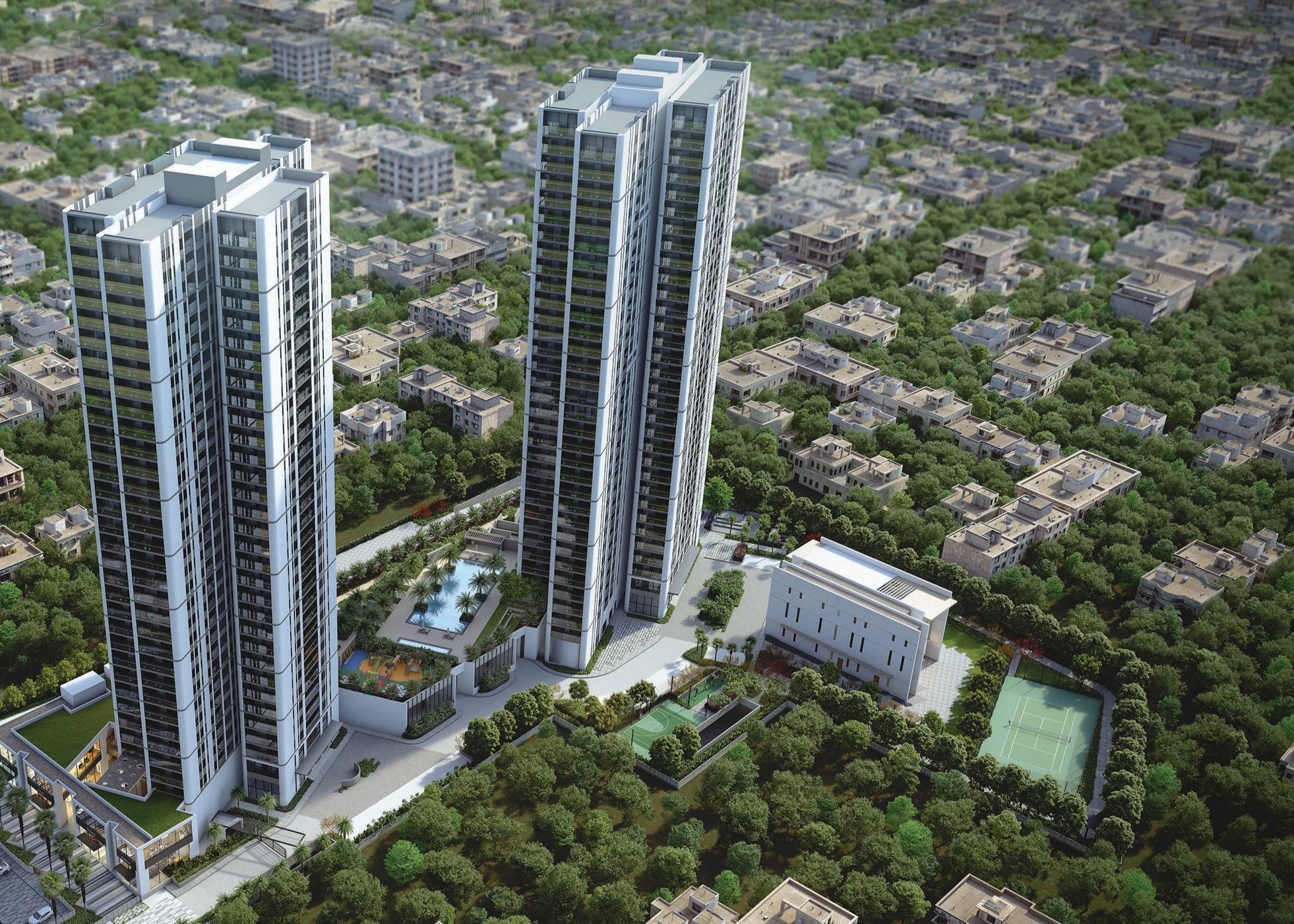
1) Why Mumbai Real Estate Still Stays “Expensive for a Reason”
Mumbai is not just costly because it’s Mumbai—it’s costly because:
Land is scarce (especially in the island city and prime western corridor).
Redevelopment keeps upgrading neighborhoods but also keeps inventory in premium brackets.
Job hubs remain sticky: BKC, Lower Parel/Worli, Andheri-Kurla belt, Powai—these markets keep attracting professionals
and entrepreneurs.
Lifestyle and social infrastructure matter more now: buyers want walkability, clubs, open spaces, parking, security, and
a brand-backed project.
Bottom line: prices don’t just move based on “market mood”—they move because Mumbai keeps compressing demand into
limited, improving spaces.
2) Key Trend: Redevelopment Is Reshaping the City
If you want to understand Mumbai’s next 5–10 years, watch redevelopment.
Older buildings are being replaced with:
taller towers,
better layouts,
safer construction,
newer amenities,
improved society economics.
This is especially visible in central and western pockets where land is limited but demand is huge. Redevelopment also
reduces the gap between “premium micro-markets” and “emerging premium” ones—because even a historically mid-market area
can suddenly offer a high-end lifestyle product.
3) Infrastructure Is Still the Biggest Price Mover
In Mumbai, connectivity changes behavior—behavior changes demand—demand changes price.
Whenever commute times reduce, two things happen:
end-users expand their “acceptable radius,” and
investors start betting on the “next convenient location.”
Areas that benefit most are typically those that become:
closer to job hubs in real time, not just on maps,
better connected to highways/metro/sea links, and
more convenient for airport access.
Even if someone loves a location emotionally, the family eventually asks: “How fast can we reach work, school,
hospitals, and the airport?” That’s the modern buyer.
4) Which Micro-Markets Stay Strong (and Why)
Instead of naming “every area,” it’s smarter to understand market types:
A) Core luxury + legacy
These markets carry premium because of reputation + lifestyle + limited supply. Buyers here often upgrade within the
same belt.
B) Work-hub convenience markets
Areas that cut commute and keep you close to offices remain stable even during slowdowns because end-user demand remains
constant.
C) Emerging premium markets
These are locations where:
infrastructure improves,
redevelopment upgrades the product,
and the price gap is still meaningful compared to the core luxury belt.
These are usually where you see the most “value + appreciation” combo, but the project and developer choice becomes
crucial.
5) Investment in Mumbai: What Works (and What to Avoid)
Mumbai is not a “quick flip” market for most buyers now. The smarter strategies look like:
What tends to work
Buying in a strong redevelopment corridor (future-ready product in improving neighborhood)
Buying near improving connectivity (metro/major road upgrades, hubs)
Buying in low-density, high-demand pockets (limited supply = pricing power)
What to avoid
projects with unclear timelines,
poor layouts even at “good pricing,”
weak building maintenance history,
“too good to be true” deals that compromise on legal clarity.
6) A Simple Checklist Before You Buy
If you’re buying in Mumbai, use this quick checklist:
Project
RERA details checked
construction stage matches promised timeline
carpet efficiency and layout makes sense
Legal
clear title / redevelopment approvals (if applicable)
loan-able by major banks
agreement clauses reviewed properly
Lifestyle
parking availability
building density vs amenities
noise, access roads, and daily convenience
Resale/Rent
demand drivers: offices, metro access, schools/hospitals
comparable pricing in the micro-market
Mumbai is not just costly because it’s Mumbai—it’s costly because:
Land is scarce (especially in the island city and prime western corridor).
Redevelopment keeps upgrading neighborhoods but also keeps inventory in premium brackets.
Job hubs remain sticky: BKC, Lower Parel/Worli, Andheri-Kurla belt, Powai—these markets keep attracting professionals
and entrepreneurs.
Lifestyle and social infrastructure matter more now: buyers want walkability, clubs, open spaces, parking, security, and
a brand-backed project.
Bottom line: prices don’t just move based on “market mood”—they move because Mumbai keeps compressing demand into
limited, improving spaces.
2) Key Trend: Redevelopment Is Reshaping the City
If you want to understand Mumbai’s next 5–10 years, watch redevelopment.
Older buildings are being replaced with:
taller towers,
better layouts,
safer construction,
newer amenities,
improved society economics.
This is especially visible in central and western pockets where land is limited but demand is huge. Redevelopment also
reduces the gap between “premium micro-markets” and “emerging premium” ones—because even a historically mid-market area
can suddenly offer a high-end lifestyle product.
3) Infrastructure Is Still the Biggest Price Mover
In Mumbai, connectivity changes behavior—behavior changes demand—demand changes price.
Whenever commute times reduce, two things happen:
end-users expand their “acceptable radius,” and
investors start betting on the “next convenient location.”
Areas that benefit most are typically those that become:
closer to job hubs in real time, not just on maps,
better connected to highways/metro/sea links, and
more convenient for airport access.
Even if someone loves a location emotionally, the family eventually asks: “How fast can we reach work, school,
hospitals, and the airport?” That’s the modern buyer.
4) Which Micro-Markets Stay Strong (and Why)
Instead of naming “every area,” it’s smarter to understand market types:
A) Core luxury + legacy
These markets carry premium because of reputation + lifestyle + limited supply. Buyers here often upgrade within the
same belt.
B) Work-hub convenience markets
Areas that cut commute and keep you close to offices remain stable even during slowdowns because end-user demand remains
constant.
C) Emerging premium markets
These are locations where:
infrastructure improves,
redevelopment upgrades the product,
and the price gap is still meaningful compared to the core luxury belt.
These are usually where you see the most “value + appreciation” combo, but the project and developer choice becomes
crucial.
5) Investment in Mumbai: What Works (and What to Avoid)
Mumbai is not a “quick flip” market for most buyers now. The smarter strategies look like:
What tends to work
Buying in a strong redevelopment corridor (future-ready product in improving neighborhood)
Buying near improving connectivity (metro/major road upgrades, hubs)
Buying in low-density, high-demand pockets (limited supply = pricing power)
What to avoid
projects with unclear timelines,
poor layouts even at “good pricing,”
weak building maintenance history,
“too good to be true” deals that compromise on legal clarity.
6) A Simple Checklist Before You Buy
If you’re buying in Mumbai, use this quick checklist:
Project
RERA details checked
construction stage matches promised timeline
carpet efficiency and layout makes sense
Legal
clear title / redevelopment approvals (if applicable)
loan-able by major banks
agreement clauses reviewed properly
Lifestyle
parking availability
building density vs amenities
noise, access roads, and daily convenience
Resale/Rent
demand drivers: offices, metro access, schools/hospitals
comparable pricing in the micro-market
.png)